April 28, 2026
Painting the exterior of your home is a major investment that shapes both appearance and structural protection. Choosing the right moment to begin a residential exterior painting project directly affects how well the finish performs over time. While color and materials matter, timing is what allows those elements to deliver their full value. Weather conditions, surface readiness, and scheduling all influence how effectively paint adheres, cures, and withstands the elements. When these factors are aligned, the result is a finish that not only looks polished but also withstands seasonal wear.
Homeowners who approach residential exterior painting with a strategic mindset often see better long-term results and less maintenance concerns. Planning allows for coordination between climate conditions, property upkeep, and contractor availability. Rather than reacting to visible wear alone, thoughtful scheduling helps prevent premature deterioration and supports a longer paint lifespan. By understanding the key factors that influence timing, homeowners can make informed decisions that protect their property and enhance curb appeal for years to come.
Evaluating Climate Conditions for Better Results
Climate plays a defining role in the success of any residential exterior painting project. Temperature, humidity, precipitation, and wind all contribute to how paint is applied and how well it bonds to surfaces. When temperatures fall too low, paint can thicken and fail to cure properly, increasing the risk of cracking or peeling. On the other hand, extreme heat can cause paint to dry too quickly, preventing even coverage and reducing adhesion. Ideal conditions typically fall within a moderate temperature range, allowing the paint to settle and cure at a steady pace.
Humidity introduces another layer of complexity. High moisture levels in the air can slow down drying times and leave surfaces vulnerable to streaking or uneven finishes. Extremely dry conditions, however, may cause paint to set too quickly, limiting the opportunity for proper leveling. According to Workyard.com, 36% find exterior paint jobs challenging, and one in six believe it's a job for the painting professionals. This highlights how environmental factors like humidity can complicate outcomes, especially when not carefully monitored during residential exterior painting projects.
Rain and wind further influence timing decisions. Rain can disrupt freshly painted surfaces, washing away layers or leaving visible imperfections that require rework. Wind can carry debris onto wet paint and accelerate drying unevenly, leading to inconsistent finishes. Scheduling residential exterior painting during calm, dry periods with predictable forecasts allows for a smoother process and more durable results. By prioritizing stable weather conditions, homeowners create a strong foundation for a successful project.
Examining Exterior Surfaces Before Painting
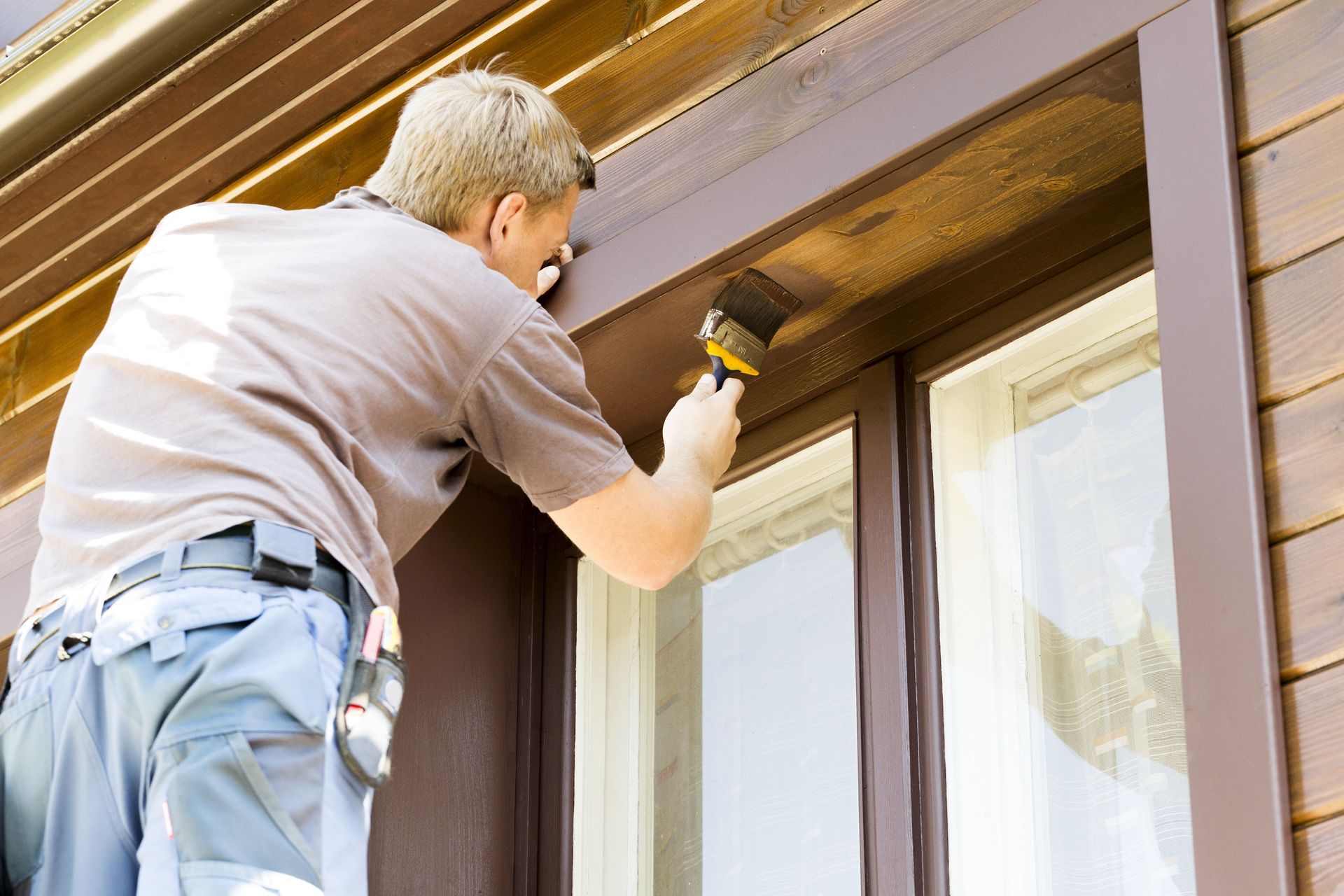
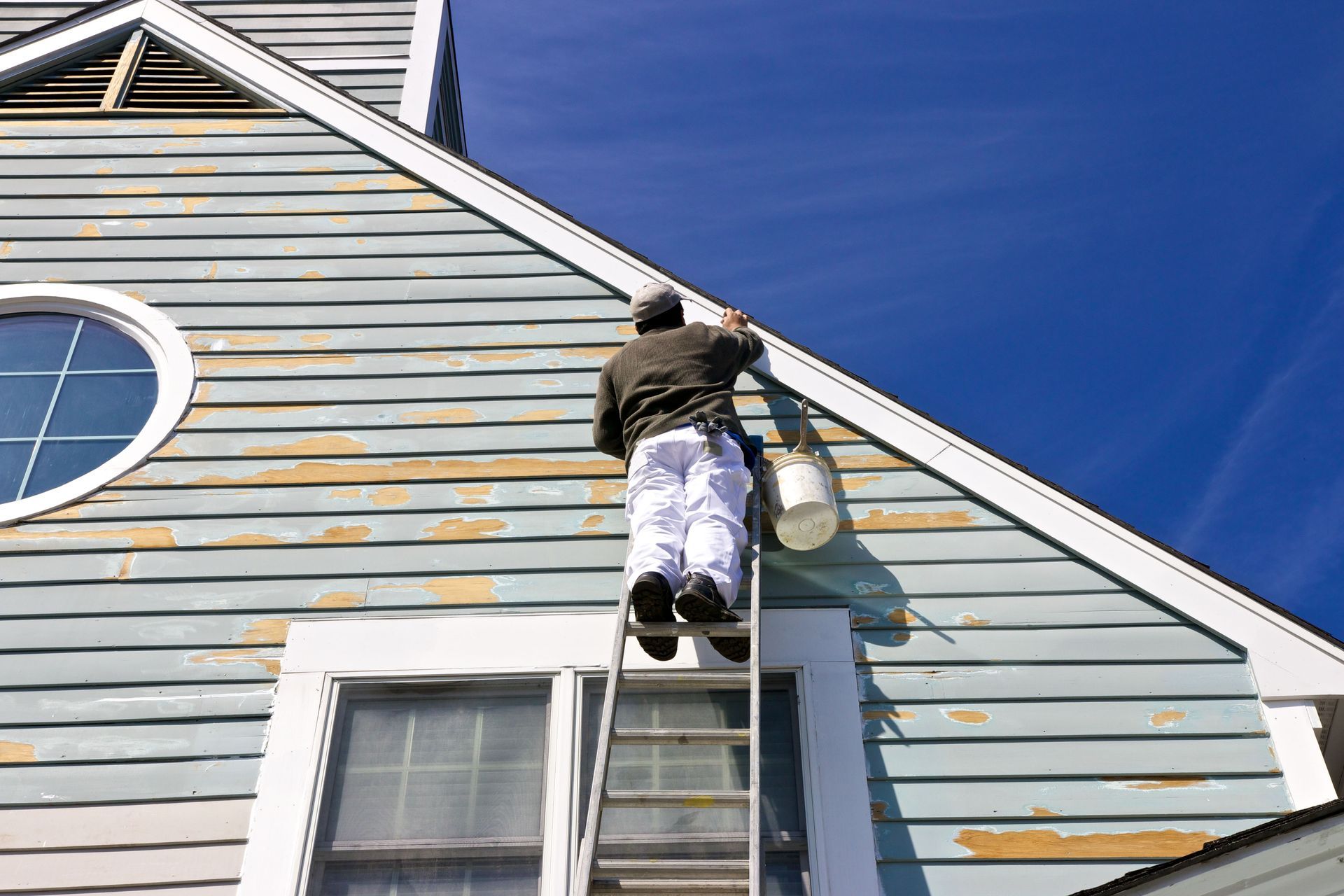
Assessing the condition of your home's exterior is a necessary step before scheduling residential exterior painting. Over time, surfaces naturally experience wear from sun exposure, moisture, and temperature fluctuations. Peeling paint, fading color, and visible cracks are all indicators that repainting may be needed. Identifying these issues early allows homeowners to address them before they escalate into more extensive damage that could compromise the new paint application.
Preparation plays a critical role in achieving long-lasting results. Cleaning surfaces to remove dirt, mildew, and loose paint helps create a stable base for new coatings. Repairing cracks, sealing gaps, and smoothing uneven areas contribute to better adhesion and a more uniform finish. Skipping these steps can lead to premature failure, even if the painting is done under ideal weather conditions. Proper preparation supports both the visual outcome and the durability of residential exterior painting.
Structural repairs should also be addressed before painting. Damaged siding, rotting wood, or loose trim can compromise the surface's integrity and reduce the effectiveness of the paint. Taking the time to correct these issues strengthens the overall structure and allows the paint to perform as intended.
Planning the Project Around Timing Factors
Timing extends beyond weather alone and includes how residential exterior painting fits into broader home maintenance schedules. Coordinating painting with other upkeep tasks, such as inspections or minor repairs, allows homeowners to address multiple concerns at once. This approach helps maintain consistency in property care while reducing the likelihood of future disruptions. Planning painting projects alongside regular maintenance creates a more efficient and organized process.
Contractor availability is another important consideration. High-demand seasons often lead to tighter schedules, making it more difficult to secure a preferred timeline. Booking in advance allows homeowners to align their residential exterior painting project with both favorable weather and contractor availability. This proactive approach reduces delays and helps maintain momentum once the project begins.
Weather forecasting also plays a role in refining the schedule. Monitoring short-term and extended forecasts provides insight into potential disruptions and helps determine the best start date. Residential exterior painting benefits from a clear window of stable conditions, allowing each layer to dry and cure properly.
Selecting a Qualified Painting Professional
Choosing the right professional for residential exterior painting involves thorough research and comparison. Gathering recommendations, reviewing past work, and requesting multiple estimates can help homeowners identify contractors who align with their goals. Evaluating experience and previous projects provides insight into the quality of work and the ability to handle specific property needs.
Customer feedback offers a valuable perspective as well. Reviews and references highlight how contractors manage timelines, communication, and overall project execution. This information helps homeowners make informed decisions and avoid potential issues during residential exterior painting. A clear understanding of a contractor's track record contributes to a more confident selection process.
Establishing clear expectations through detailed contracts is equally important. Outlining project scope, timelines, materials, and payment terms creates transparency and reduces misunderstandings. Open communication between homeowners and contractors supports a smoother workflow and helps keep residential exterior painting projects on track from start to finish.
Maintaining Results After the Project Is Complete
Post-project care is essential for preserving the quality of residential exterior painting. Allowing sufficient curing time allows the paint to fully bond with the surface, improving durability and resistance to wear. Avoiding early contact or cleaning helps protect the finish during this critical stage.
Routine maintenance supports long-term performance. Regular inspections, gentle cleaning, and minor touch-ups prevent small issues from developing into larger concerns. These efforts extend the lifespan of residential exterior painting and reduce the need for frequent repainting. Consistent upkeep maintains both the appearance and protective function of the paint.
Protective measures can further enhance durability. Proper drainage, trimmed landscaping, and weather-resistant features help minimize exposure to moisture and debris. Addressing potential risks early allows residential exterior painting to maintain its integrity over time. With the right maintenance approach, homeowners can enjoy lasting results and a well-preserved exterior.
Scheduling residential exterior painting at the right time involves more than choosing a convenient date. It requires a thoughtful balance of climate awareness, surface preparation, budgeting, and professional coordination. Each factor plays a role in determining how well the paint performs and how long it lasts. When these elements come together, the result is a durable, visually appealing finish that enhances the home's overall value.
Taking a proactive approach to
residential exterior painting allows homeowners to avoid common challenges and achieve more reliable outcomes. From evaluating weather conditions to maintaining the finished surface, every step contributes to long-term success. If you're planning your next project, now is the time to start mapping out the details and aligning the right conditions. Reach out to Pro Painters Plus today to discuss your goals and take the first step toward a stronger, longer-lasting exterior.